
Kingston, Jamaica
18 – 26 July 2026
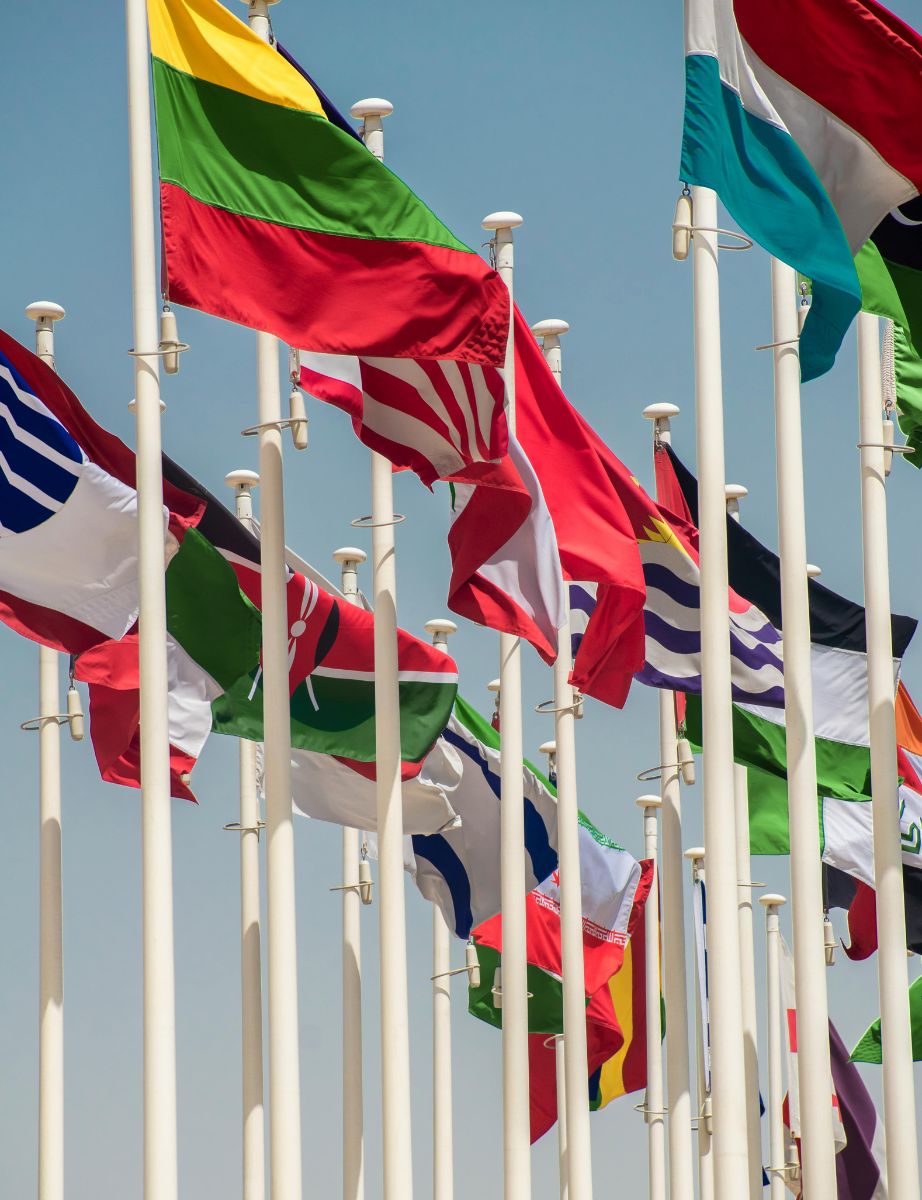
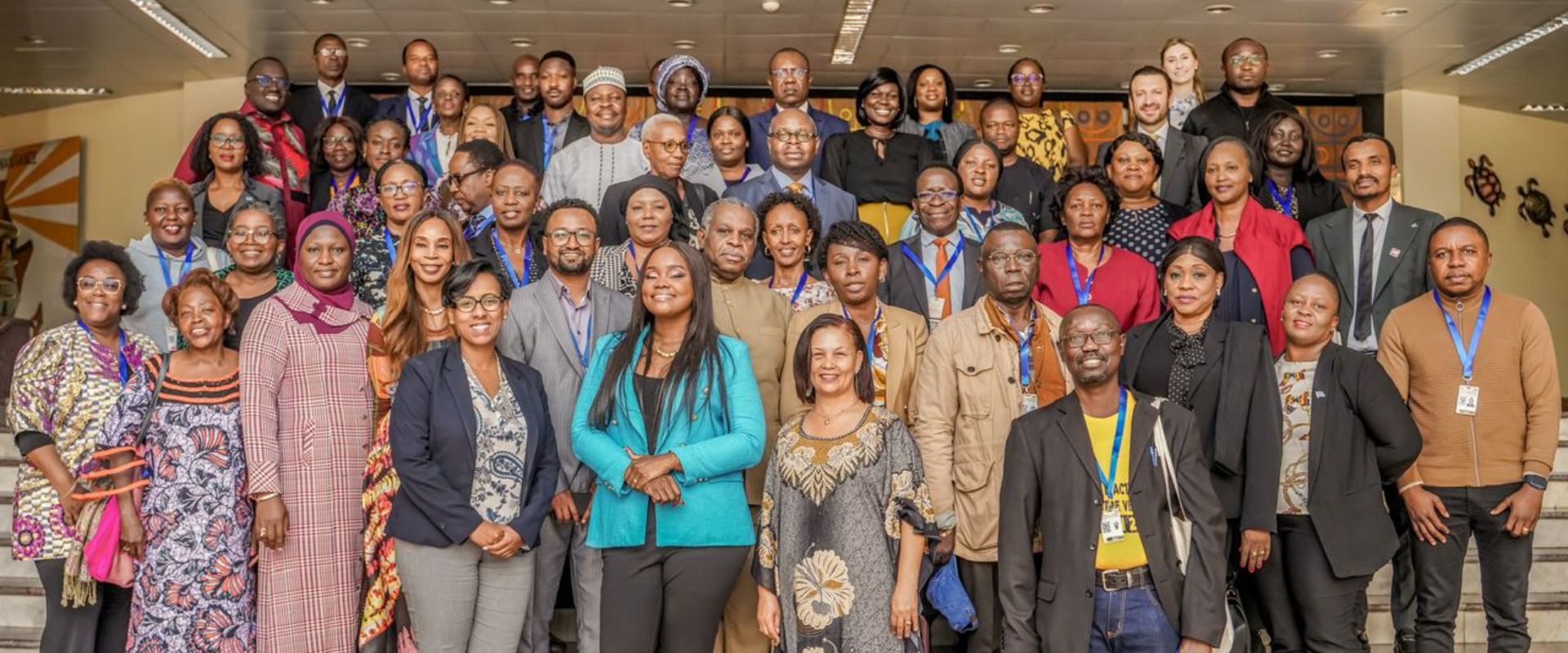
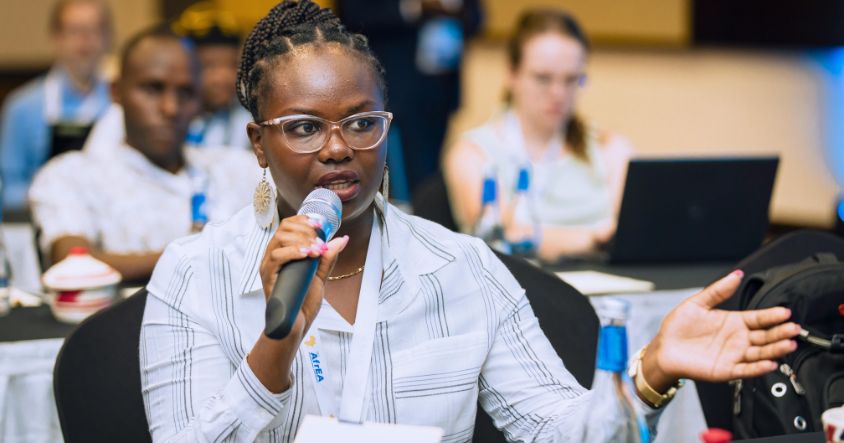
The Afro-Caribbean Leadership Forum is the premier international summit connecting First Ladies, business leaders, health experts, and changemakers from Africa and the Caribbean — gathering annually to advance women’s empowerment, health, trade, tourism, and sustainable development across two great regions.
Africa and the Caribbean have always shared more than geography divided by an ocean. They share ancestry, resilience, culture, and an enduring determination to forge a prosperous future for their people. Yet for too long, the formal channels of trade, diplomacy, health partnership, and investment between these two regions have remained underdeveloped — leaving untapped an enormous reservoir of shared potential.
The Afro-Caribbean Leadership Forum (ACLF) was created to change that.
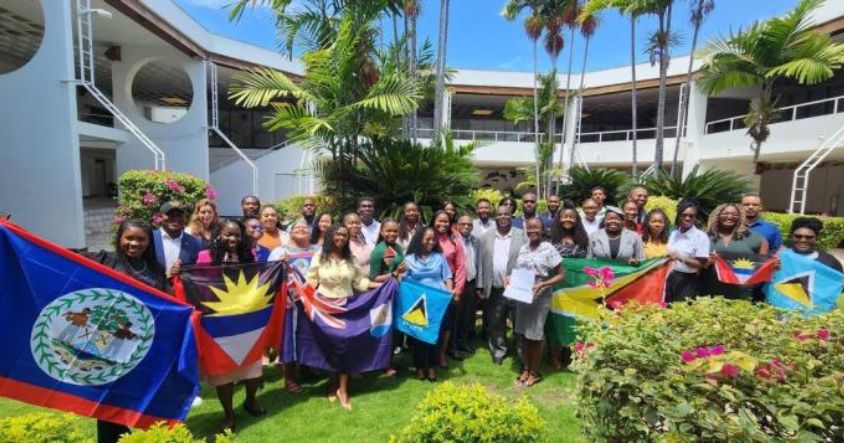
Conceived as an annual gathering of the highest order, the ACLF brings together the most powerful and influential women in Africa and the Caribbean — First Ladies, heads of government, business titans, health leaders, and cultural voices — in one room, to speak, connect, commit, and act.
This is not simply a conference. It is a movement. The inaugural edition, held in Kingston, Jamaica — birthplace of Pan-Africanism, Bob Marley, and Caribbean independence — marks the beginning of a new chapter in Africa-Caribbean relations: one written by women, for the world.
We invite you to be part of history.
The Afro-Caribbean Leadership Forum is rooted in a simple but powerful truth: the women of Africa and the Caribbean are among the most resilient, entrepreneurial, and visionary on the planet. Yet they operate in systems that were not designed with them in mind — trade frameworks that exclude small economies, health systems that underfund women’s care, tourism industries that extract value without redistributing it, and business environments that still treat women as an afterthought.
The ACLF directly addresses this gap.
Inspired by the model of landmark events such as the World Economic Forum, the African Union Summits, the OAFLAD General Assembly, and the Caribbean Business Summit, but distinct in its focus on women’s cross-continental leadership, the ACLF is designed to produce not just inspiring conversation but binding commitments: signed agreements, launched partnerships, declared policies, and a joint communiqué — the Kingston Declaration — that gives this forum’s outcomes real-world weight.
✦ Two Continents, One Table — Unlike regional summits that address Africa or the Caribbean in isolation, the ACLF deliberately brings both regions together, creating a rare forum for cross-continental trade and partnership.
✦ Led by First Ladies, Powered by Business — The presence of First Ladies and official state delegations gives the forum diplomatic weight and access to the highest levels of government. Business leaders ensure the conversation is grounded in practical, investable outcomes.
✦ Action-Oriented by Design — Every session is structured around outcomes: signed MOUs, adopted declarations, launched programs, or established networks. Delegates leave with tangible next steps.
✦ Inaugural and Annual — This is not a one-off event. The ACLF is designed to grow year by year, rotating across African and Caribbean host nations, building a permanent, self-sustaining platform.
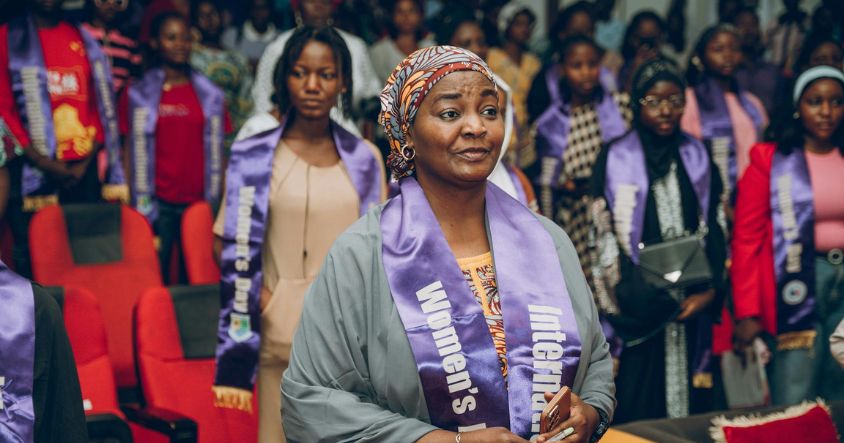
✦ Women at the Centre — Always — Gender equity is not a side event at the ACLF. It is the organizing principle. Every panel, every keynote, every session is designed to amplify the leadership, knowledge, and authority of women.
The inaugural ACLF addresses four interconnected areas where women’s leadership can drive the most transformative change across Africa and the Caribbean.

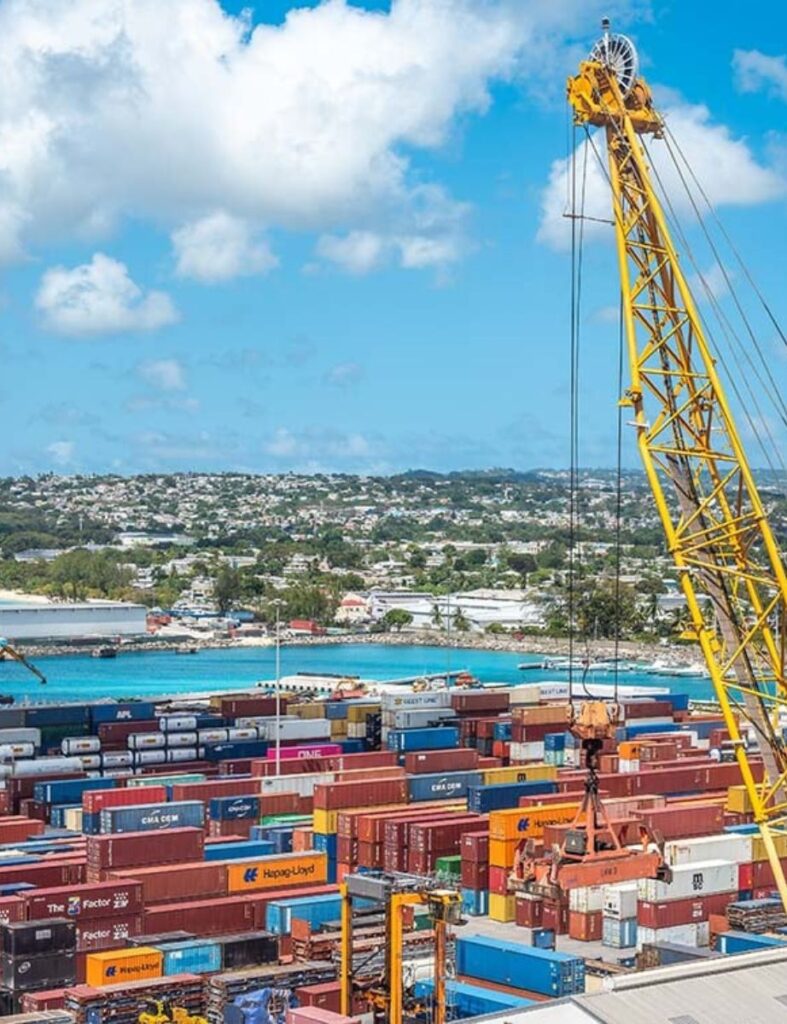
Women-owned businesses across Africa and the Caribbean generate billions of dollars in value annually, yet women entrepreneurs consistently face greater barriers to capital, markets, and networks than their male counterparts. The Business & Investment stream of the ACLF creates a dedicated space for women business leaders, financiers, and entrepreneurs to trade across the Atlantic corridor — presenting investment opportunities, signing partnership agreements, and opening new markets between the two regions. Topics include: cross-regional trade and export, access to capital and development finance, women-led SMEs and scale-ups, digital commerce, agribusiness, fintech, and economic policy reform.
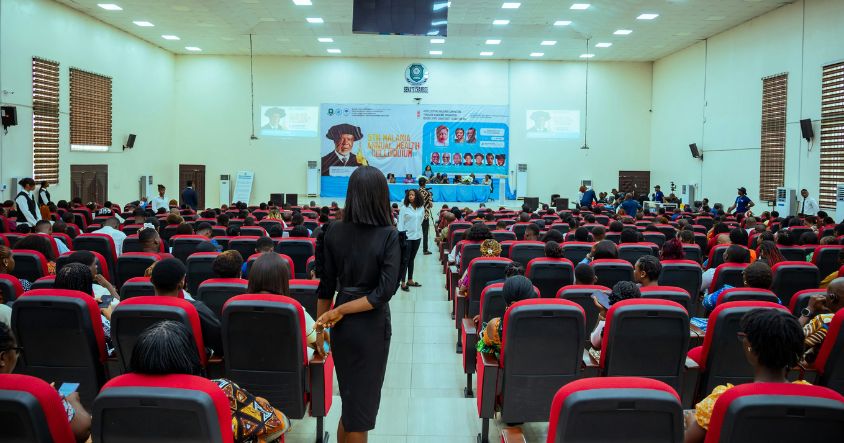
Maternal mortality, HIV/AIDS, non-communicable diseases, mental health, and unequal access to quality healthcare remain defining challenges across both Africa and the Caribbean. The Health stream convenes First Ladies — who have historically led national health advocacy — alongside medical experts, public health officials, NGOs, and international agencies, to share what works, align priorities, and commit to cross-regional health partnerships that can save lives. Topics include: maternal and child health, HIV/AIDS response, universal healthcare access, mental health stigma, women's reproductive rights, traditional medicine, and health system financing.
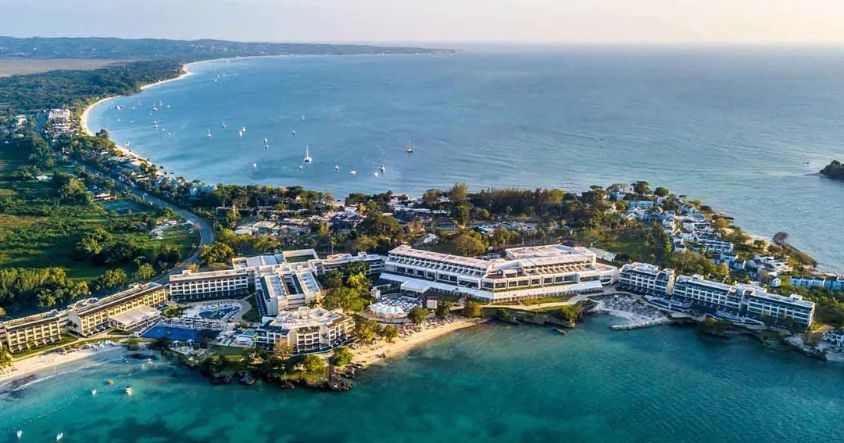
Tourism is the economic lifeblood of many Caribbean nations and a rapidly growing sector across Africa. Yet the industry faces mounting pressures: climate vulnerability, over-dependence on foreign operators, limited benefit to local communities, and the erosion of indigenous cultures. The Tourism stream explores how Africa and the Caribbean can build a shared tourism corridor — rooted in heritage, driven by women, and designed for sustainability. Topics include: heritage and diaspora tourism, eco-tourism, women in hospitality, cultural diplomacy, Africa-Caribbean tourism exchange programs, sustainable tourism policy, and community-based tourism enterprises.

Small Island Developing States and coastal African nations are among the most vulnerable to climate change — and yet contribute the least to global emissions. Women, particularly in rural and coastal communities, bear the disproportionate brunt of environmental degradation. The Environment stream positions women as climate leaders — not victims — and explores practical solutions for green economic development, coastal resilience, food security, and climate finance. Topics include: climate adaptation and resilience, green investment and climate finance, women in conservation, food sovereignty, clean energy access, plastic pollution, and climate justice advocacy.